All Categories
Featured

Table of Contents
Pros: Teaches the thinking behind budgeting choices, not simply how to perform them Centers on habits and practice formation rather than faster ways or monetary products Works best for workers who are already motivated to actively handle their moneyOffers a library of free workshops and education content included with the subscription Cons: The platform demands constant, hands-on engagement something that can be a genuine barrier for workers who are already overwhelmed by financial stressEffective for cash circulation management, but leaves gaps in locations like financial obligation technique, credit building, benefits optimization, and wider financial planningCoaching is readily available however comes at an extra cost to the employee, instead of being covered as part of the employer-sponsored benefitPricing structure can be a stretch for smaller organizations, especially provided YNAB's narrow budgeting focus SmartDollar is a popular name in the financial health area, developed on the Dave Ramsey brand and a structured, step-by-step curriculum.
Pros: Strong brand recognition through the Dave Ramsey association gives the program instant credibility with some staff member populationsA clear, structured curriculum with specified actions and milestones makes progress simple to trackA solid alternative for companies focused particularly on financial obligation reduction and building foundational money habitsWills and trusts readily available through the platformSmartDollar coaches are trained solely on Ramsey concepts and are not needed to hold official financial credentials.
There is no personalized plan, only a prescribed pathUser feedback points to a steep learning curve, especially when workers try to connect their real financial photo to the program's structureHR leaders report disappointment with minimal automation, consisting of the absence of integrated reminders and a manual worker sign-up process that includes unnecessary administrative burden Not all monetary health platforms are built the same method, and the ideal questions can reveal a lot about whether a service is truly built for your employees or constructed around an organization design.

A service focused on loans and credit gain access to can offer short-term relief, however it doesn't resolve the source of financial tension. Your workers need a relied on resource that helps them budget better, build credit, plan for the future, and make positive money decisions, without anybody making money from their battles along the method.
How Debt Consolidation Works in 2026
With unrestricted access to licensed financial coaches, AI-powered tools that customize the experience at scale, and a model that never makes money from employee financial obligation, YML provides long lasting change, not just short-term relief. If you're all set to see what that appears like for your labor force, schedule a demonstration today..
What Makes a Terrific Personal Finance App in 2026?
2026 Financial Physical Fitness Passport. All rights scheduled. For academic purposes just. Not embellished financial, legal, or tax recommendations.
Money-saving apps work by making your costs habits noticeable, which is the single most reliable action towards building savings. According to the Customer Financial Protection Bureau (CFPB), people who actively track their financial resources are considerably most likely to set aside cash each month than those who rely on psychological quotes alone.
Membership services you forgot about can drain pipes $50 to $100 per month without you discovering. Cost savings apps reveal these concealed costs by categorizing every deal.
Essential Wellness Tools for 2026
You set investing limits per classification and the app tracks your progress, alerting you before you review budget. You define cost savings targets (emergency fund, holiday, down payment) and track development with visual signs. Some apps rate your general monetary wellness, providing you a clear metric to enhance with time.
The core principle is uncomplicated: what gets determined gets handled. A great savings app should consist of at minimum 3 core abilities: spending tracking with categories, savings objective management with development visualization, and spending plan production with informs when you approach your limitations. Beyond these basics, look for a financial health score, calculators for financial obligation benefit planning, and privacy controls that keep your information protect.
Here is a priority-ranked breakdown of what to search for, beginning with the features that have the most direct effect on your savings: Whether you enter deals by hand, import bank statements, or connect through Plaid, the app needs to record every dollar in and out. Accuracy here is the structure for whatever else.
Credit Score Monitoring or Optimization
Color-coded indicators (green, yellow, red) make it easy to see where you stand at a look. Development bars and percentage indicators offer motivation.
A 0-100 rating that evaluates your savings rate, debt-to-income ratio, emergency fund protection, and expense-to-income ratio. This offers you a single number to track improvement over time. Tools for loan payoff, charge card reward, compound interest projections, and financial obligation snowball versus avalanche contrasts help you prepare before you act. Automated analysis that areas uncommon spending patterns, predicts future expenses, and suggests budget changes.
Payday-to-payday planning that demonstrates how much discretionary cash you have after all commitments, not simply a month-to-month total. Earnings declarations, capital reports, and export to Excel or PDF for tax preparation or showing a financial consultant. One function that often gets ignored is where the app shops your information.
Local-first apps store whatever on your gadget just. If privacy matters to you, this is a crucial difference. For a much deeper look, read our guide on conserving cash on a tight budget plan, which covers how to minimize expenses including membership costs for monetary tools. The very best apps to conserve cash in 2026 variety from totally free local-first tools to exceptional cloud-based platforms, each with various strengths in goal tracking, automation, and personal privacy.
Top-Rated Wellness Tools for 2026
Here is how the top choices compare side by side: App Cost Bank Connection Data Storage Budgeting Methods Conserving Features $0 $39/yr Handbook/ CSV/Excel/OFX/ QFX/PDF Any (zero-based, envelope, 50/30/20, pay-yourself-first, Runway, hybrid) Goals, budget plans, health rating, calculators YNAB $109/yr (annual) or $14.99/ mo ($180/yr) Plaid (Cloud) Cloud Zero-based only Goal tracking, age of money Queen Money $99.99/ year (annual) or $14.99/ mo ($180/yr) Plaid/ Finicity Cloud Passive tracking + objectives Goals, net worth tracking EveryDollar Free/ $79.99/ yr (yearly) or $17.99/ mo ($216/yr) Plaid Cloud Zero-based just Financial obligation benefit tools Quicken Simplifi $71.88/ year Plaid Cloud Passive tracking + goals Spending watchlists GoodBudget Free/ $80/yr or $8/mo ($96/yr) Handbook Cloud Envelope just Envelope budgeting SenticMoney is a privacy-first budgeting application that stores all financial data on your gadget, not in the cloud.

Latest Posts
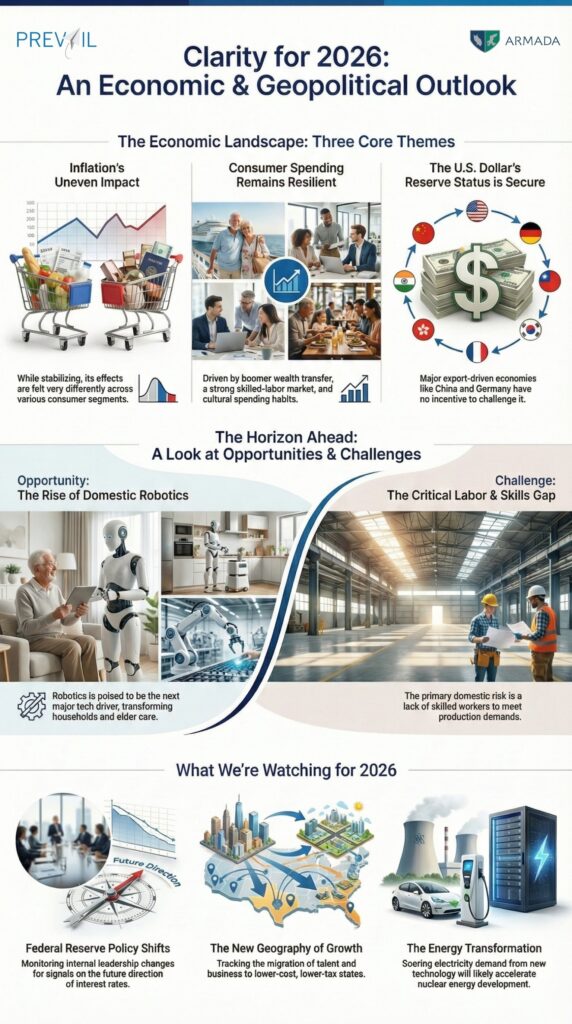
How to Handle Your Debt Wisely in 2026?
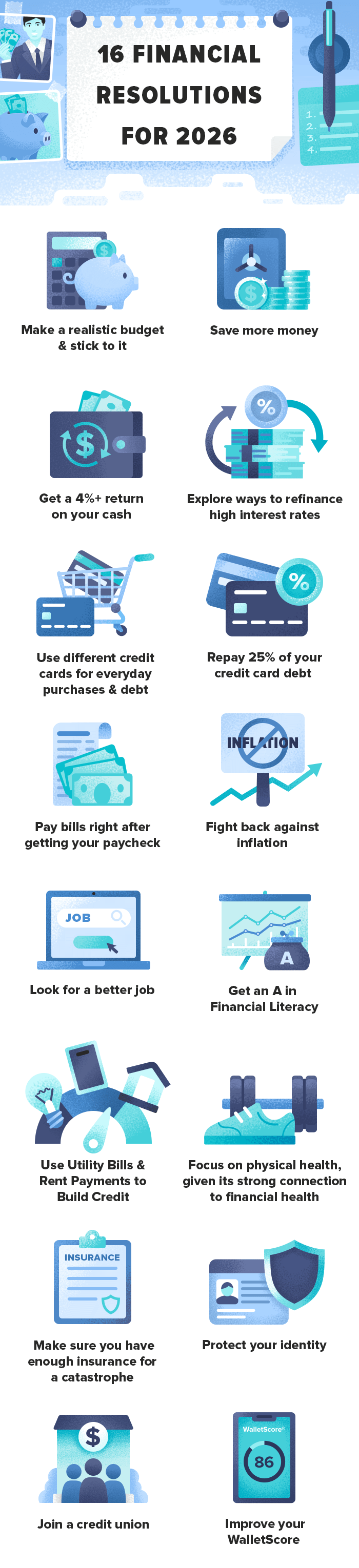
Evaluating the Top Card Options in 2026

How Financial Wellness Apps Enhance Your Finances